
 Since 1997

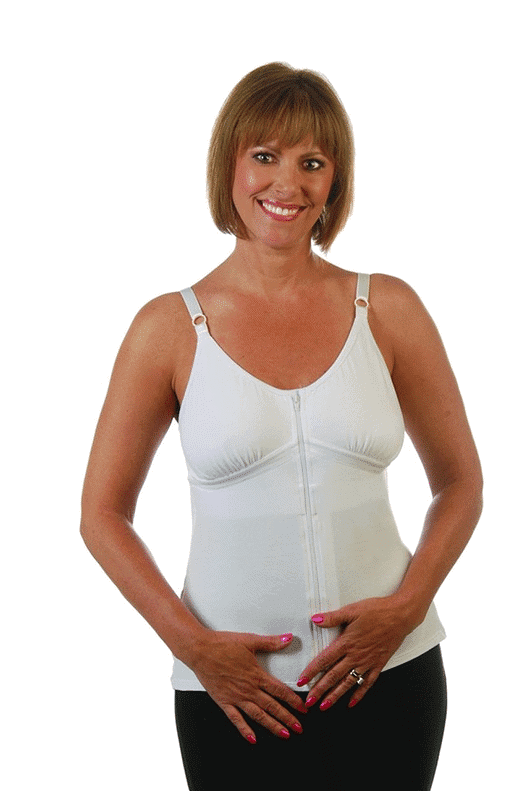
What should you wear after a mastectomy? In the first days after a mastectomy, wear front-closure compression garments, drain-pocket camisoles, and loose soft tops. Then, as you heal, switch to soft leisure bras and later to fitted mastectomy bras. Also, what works best depends on whether you had reconstruction, use a prosthesis, or went flat. So, a certified mastectomy fitter can help you find the right fit at every stage.
Key Takeaways
- What you wear changes significantly at each recovery stage. Week 1 clothing will not work at week 6.
- Front-closure garments are non-negotiable for the first several weeks when arm mobility is limited.
- Reconstruction, prosthesis, and flat closure each require a different clothing approach, starting from day one.
- Insurance often covers mastectomy bras and breast forms under the WHCRA. Many women never claim this benefit.
- A certified mastectomy fitter saves time, money, and frustration at every stage of recovery.
Why Clothing Choices Matter More Than You Might Expect
A mastectomy changes your body in ways that make your existing wardrobe feel foreign almost immediately. Limited range of motion, surgical drains, skin sensitivity, and a changed silhouette all affect what you can actually put on. Most women are surprised by how quickly they need to think about this, and how few practical answers they get from anyone.
Clothing during recovery is not a vanity question. The right choices protect surgical sites, reduce discomfort, and help you move through daily life with less effort and more dignity. There is no single answer that works for everyone because so much depends on your surgery type, whether you had reconstruction, and where you are in recovery. The sections below are organized by stage so you can skip to exactly where you are right now.
Week 1-2: What to Wear Immediately After Mastectomy Surgery
The first two weeks are the most physically restricted period of your recovery. Every clothing choice matters because the wrong one makes simple tasks genuinely painful.
Compression Bras and Post-Surgical Bras

Most surgeons recommend wearing a compression bra continuously for the first four to eight weeks, though your specific guidance will come from your care team. These are medical garments that support circulation, reduce swelling, and hold dressings in place.
What to look for: front closure (zipper, Velcro, or hook-and-eye), soft non-wired construction, adjustable straps, and built-in pockets if you plan to use a foam form temporarily. Sizes shift after surgery. Your pre-surgery bra size will almost certainly not be your post-surgery size. Getting fitted properly at this early stage is worth every minute.
Mastectomy Camisoles with Drain Management Pockets
Surgical drains are standard after most mastectomies, and managing them is one of the most practical challenges you will face with clothing in the first two weeks. A mastectomy camisole with built-in drain pockets is the most comfortable solution on the market right now. They keep drains secured without safety pins, which reduces pulling and discomfort significantly.

Look for soft fabric (modal or cotton-blend), front closure or wide shoulder openings, internal drain pockets at the sides, and a loose overall fit. If you shower with drains in place, a separate drain belt designed for that purpose keeps things manageable.
Tops and Shirts: What Works When You Cannot Raise Your Arms
Raising your arms overhead is not going to happen in the first weeks. That eliminates almost every pullover, T-shirt, and standard blouse from your wardrobe immediately. Full-length button-down shirts are your best friend at this stage. Not just top-button-open shirts. Full-length ones that open completely from collar to hem. Zip-up sweatshirts and wrap-style cardigans work well, too.
Size up by at least one size for the first few weeks to accommodate dressings and drains without anything feeling tight. Avoid tight armholes, stiff fabrics, and anything with scratchy textures or embellishments near the chest. Soft and breathable wins every time right now.
Comfortable Nightwear for Better Sleep
Sleep quality directly affects healing, and the wrong nightwear disrupts sleep more than most people expect. Look for button-front nightgowns or pajama tops rather than pullovers, breathable fabrics (cotton, bamboo, modal), and wide arm openings that do not restrict movement at night.
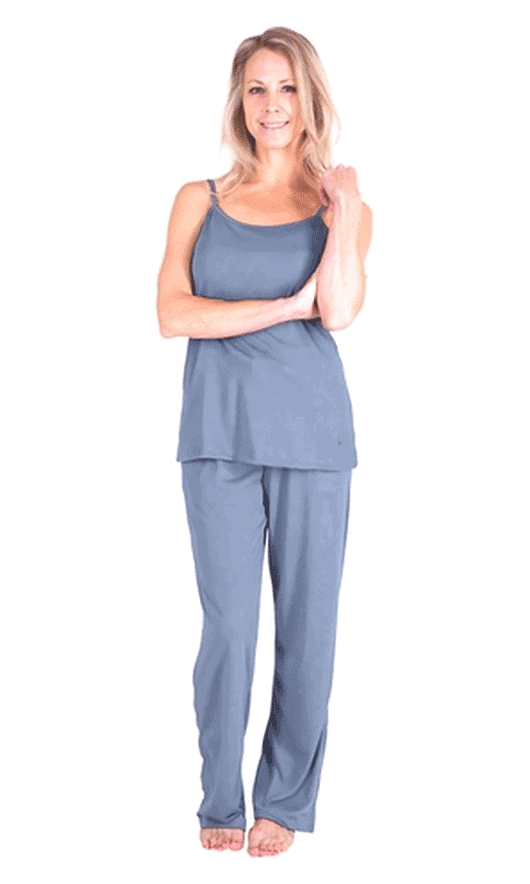
Moisture-wicking pajamas are worth the investment. Post-surgical hormonal shifts and treatment side effects can cause temperature fluctuations and night sweats that are genuinely disruptive. A front-opening soft robe with wide sleeves adds warmth without restriction and works well both at home and for early medical appointments.
Footwear: Simple But Often Overlooked
Bending over to tie one’s shoes is painful and risky in the first week. Set out slip-on shoes or soft slippers before you leave for surgery. Have them beside your bed before you get home. This is one of those things that sounds minor until 6 a.m. on day two, when you cannot reach your feet and need to get to the bathroom. Trust the individuals who have been there.
Weeks 2-6: Early Recovery Clothing Essentials
By week two or three, most women start to feel more mobile. The surgical drains may still be in place, but the acute phase of restriction begins to ease. This is also when the clothing fatigue of wearing the same items over and over starts to set in. Time to expand carefully.
Transitioning from Compression to Leisure Bras
Once your surgeon clears you from the compression bra, the natural next step is a soft leisure bra or front-closure wire-free bra. These offer gentle support without underwire or structured cups, both of which can irritate healing incisions and press uncomfortably on lymph node areas.
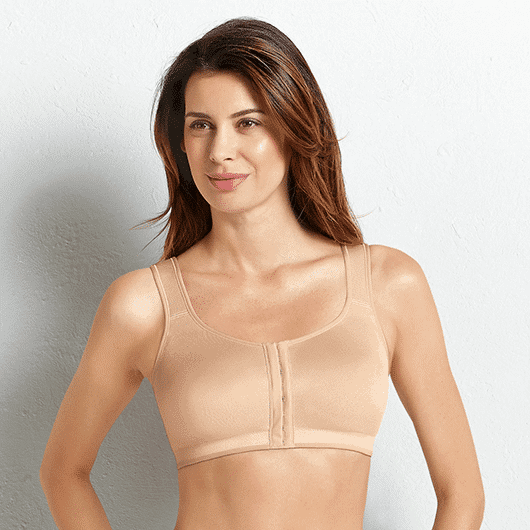
Key features to look for at this stage: front or side closure, completely wire-free, soft fabric that does not rub, adjustable straps, and pockets if you are temporarily using a foam breast form. Your body may still be swollen and changing shape during this period, so adjustability matters more than a precise fit right now.
Fabric: What Works and What to Avoid
Fabric choice has a real impact on comfort and scar healing, yet almost no one talks about it directly. Here is the practical breakdown:
Best fabrics at this stage:
- Cotton: breathable, soft, gentle on sensitive skin
- Modal: softer than cotton, excellent moisture management, reduces sweating against the surgical site
- Jersey: stretchy, gentle on skin, moves with your body without pulling on incisions
Fabrics to avoid near the surgical site:
- Synthetic polyester against the surgical area: traps heat, causes sweating, and can irritate healing tissue
- Stiff or structured fabrics that do not give with movement
- Rough lace or embellishments positioned near incisions
Seamless construction reduces friction against sensitive or healing skin.
Loose Tops, Wrap Styles, and Layering
As arm mobility improves, wardrobe options expand. Loose and layered still wins at this stage, though. Wrap tops and cardigans are particularly versatile because they adapt easily as swelling changes from week to week. Higher necklines and relaxed silhouettes can feel more comfortable and confident as you adjust to your new shape.
Patterns, textures, and interesting details near the chest can help balance the visual silhouette without requiring any specific shaping garment. This is a good time to experiment a little.
What should you wear after a mastectomy with Reconstruction?
Reconstruction changes the clothing equation significantly. The challenges are different depending on whether you had implant-based reconstruction or flap reconstruction, and they are different again during recovery than they will be long-term.
If You Had Implant-Based Reconstruction
Implants do not move or compress the way natural breast tissue does. Tops that worked well before surgery may gap, pull, or sit strangely after. Fabrics with natural stretch (jersey, modal, cotton blends) accommodate implants far better than stiff or structured fabrics that were cut for a softer shape.
V-necks and structured necklines may not drape the same way. Be prepared to experiment and give yourself permission to discover what actually works on your new shape rather than expecting your old wardrobe to translate directly. Many women still benefit from a well-fitted mastectomy bra for everyday support, even with implants, particularly during activity.
During the tissue expander phase, before final implant placement, clothing over the expander can feel uncomfortable and tight. Soft, loose layers are best. Avoid anything that puts sustained pressure on the chest during this period.
If You Had Flap Reconstruction
Flap reconstruction uses your own tissue, which means results can feel softer and more natural over time. But recovery from flap surgery is longer and more complex than implant-based reconstruction.
You will likely have two healing sites: the chest and the donor site. Clothing needs to accommodate both areas. If you had a TRAM or DIEP flap using abdominal tissue, high-waisted pants and skirts may irritate the donor site. Look for soft, low-rise, elasticated waistbands that sit below the healing area. Allow more time before transitioning to structured bras, and follow your surgeon’s specific guidance on the timeline.
What to Wear If You Choose to Go Flat
Going flat is a valid, increasingly chosen path after mastectomy. It is a confident, intentional decision, and it opens up a genuinely different set of clothing strategies that many guides completely overlook.
Fitted tops and structured jackets can work particularly well with a flat-closure silhouette. Many women who go flat find they no longer need a bra at all, which opens up possibilities that simply did not exist before. Light padding or a shaper camisole is available for occasions where a more defined chest silhouette feels right, without any commitment to a prosthesis.
Look for tops with interesting necklines, texture, or pattern at the chest level. These draw the eye naturally and create visual interest without requiring any shaping of the garment. The emotional journey of going flat is real. Adjusting to a new silhouette takes time, and that is completely normal. The clothing works best when it reflects the decision confidently, not as a compromise.
Long-Term Wardrobe Rebuilding After Mastectomy
Once the acute recovery phase is behind you, the work shifts to rebuilding a wardrobe that actually fits your life, your shape, and your sense of who you are. This is where most guides stop, which is exactly where the real questions begin.
Mastectomy Bras for Everyday Wear
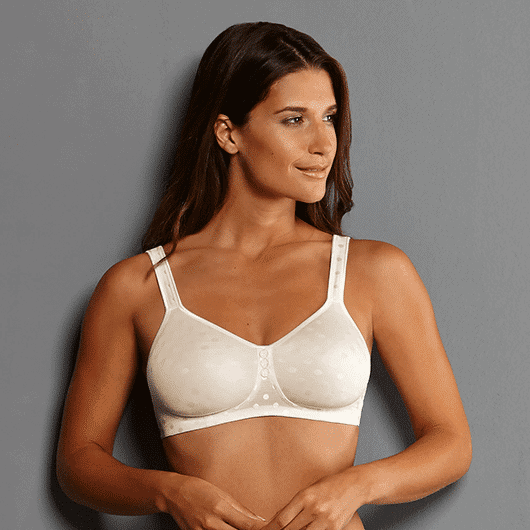
A well-fitted mastectomy bra becomes the foundation of a confident everyday wardrobe once you are fully healed. Key features to prioritize: bilateral interior pockets for breast forms, wide adjustable straps that distribute weight comfortably, wire-free construction, seamless or minimally seamed cups, and a soft underband that sits below the surgical site without irritation.
A professional fitting is worth every minute. Off-the-shelf sizing does not account for the changes in chest shape, shoulder alignment, and skin sensitivity that surgery creates. Our certified fitters at A Fitting Experience have been doing exactly this since 1997.
When and How to Start Wearing Breast Forms
Foam breast forms can often be worn relatively soon after surgery. They are lightweight and do not put pressure on the surgical site. Silicone breast forms are typically suitable around 8 to 12 weeks post-surgery, once the site has healed, but always get your surgeon’s clearance before making that transition.
Breast forms come in a range of shapes, sizes, and skin-tone matches. A certified fitter will help you find the right form for your frame, your bra type, and your lifestyle. Adhesive breast forms are also available for women who want to go bra-free with certain outfits. For women who want a truly precise fit, custom-made breast forms can be designed specifically for your body, skin tone, and shape.
Swimwear After Mastectomy
Mastectomy swimwear has built-in pockets designed to hold breast forms securely in water. Many women are genuinely surprised by the range of stylish options available. The category has grown substantially over the past several years. You can find one-piece suits, tankinis, and two-piece options all designed for post-mastectomy wear.
For women going flat, rash guards and athletic swimwear often work extremely well. Most silicone breast forms can be worn in water, though you should rinse them thoroughly after exposure to chlorine or salt water to preserve the silicone.
Returning to Work and Social Events
Returning to work or social occasions is an emotional milestone as much as a practical one, and the right clothing genuinely supports confidence at this stage. Button-front blouses, structured but soft cardigans, and wrap dresses tend to work well. Avoid tops with very low or very structured necklines until you are fully settled in your shape and bra fit.
Layering remains useful long-term. A well-cut blazer over a soft camisole or fitted top is a reliable and polished option for the office or an evening out. Accessories that draw attention to the face or neckline, such as scarves, statement earrings, or interesting necklaces, help shift attention upward naturally.
Exercise and Active Wear After Mastectomy
Many women return to exercise weeks or months after surgery, and athletic clothing needs shift significantly at that stage. Look for racerback or wide-strap sports bras, mastectomy-specific athletic bras with secure pockets for breast forms, and moisture-wicking fabrics that keep you dry during activity.
Avoid high-impact sports bras with underwire or tight chest compression until your surgeon or physical therapist clears you specifically for that type of garment. Physical therapy is often recommended during mastectomy recovery. If your care team has not mentioned it, it is worth asking about.
What NOT to Wear After Mastectomy
Patients actively search for this. Here is a direct, clear answer.
| Avoid | Why It Causes Problems |
|---|---|
| Underwired bras | Wires press directly on healing tissue and lymph nodes. Stay away until fully healed and cleared by your surgeon. |
| Overhead clothing (pullovers, T-shirts) | Raising your arms overhead is not safe in early recovery. It risks stressing incisions and causing pain. |
| Tight or clingy tops | Restrict blood flow, press on sensitive tissue, and make drain management impossible. |
| Synthetic fabrics against the surgical site | Polyester and nylon trap heat, increase sweating, and can irritate healing skin. |
| Rough textures, lace, or embellishments on the chest | Can scratch or catch on incisions and healing skin, even when they feel fine on intact skin. |
| Heavy shoulder bags on the surgical side | Puts pressure and weight on the shoulder nearest the surgical site, which strains the area. |
| Perfumes or lotions near silicone breast forms | Can degrade the silicone material over time and shorten the life of the prosthesis. |
Does Insurance Cover Mastectomy Bras and Breast Forms?
Yes, often. And many women never claim it.
Under the Women’s Health and Cancer Rights Act (WHCRA), most US insurance plans that cover mastectomy are required to also cover breast prostheses, mastectomy bras, and related external prosthetic devices. Coverage typically includes a new breast form every one to two years and a set number of mastectomy bras annually, though the exact terms vary by plan.
A certified mastectomy fitter (ABC-certified) can help you understand what your specific insurance benefit covers and how to navigate the paperwork process. At A Fitting Experience Mastectomy Shoppe, our team assists with referrals, authorizations, and billing to Medicare and most other insurance carriers, as described on our services page.
Many women leave significant benefits on the table simply because no one told them they were entitled to them. Our mastectomy bras insurance guide walks through the process in more detail if you want to dig into coverage specifics.
How a Certified Fitter Makes All the Difference
Buying a mastectomy bra or breast form without a proper fitting is one of the most common and most frustrating mistakes women make after surgery. You end up with items that do not fit your current shape, do not sit correctly in clothing, or feel uncomfortable by midday. Most women who do this buy again within a few months anyway.
A certified mastectomy fitter (ABC-certified) assesses your current shape, your surgical outcome, your lifestyle needs, and your preferences at each stage of recovery. They guide you to the right garments rather than leaving you to figure it out from product descriptions alone. It is a genuinely different experience from shopping without guidance.
A Fitting Experience Mastectomy Shoppe has been serving post-mastectomy women in South Florida since 1997. Our certified fitters offer private in-person fitting rooms and virtual fittings for clients who cannot travel to our Margate location. We carry breast forms, pocketed mastectomy bras, post-surgical camisoles, swimwear, compression garments, and more.
For women who find standard breast forms do not match their exact shape, we offer custom-made breast forms designed specifically for your body. You can read more about the process on our custom breast prostheses page.
Ready to Find What Works for You?
If you or someone you love is recovering from breast surgery and needs help choosing breast forms, mastectomy bras, compression garments, or other post-surgical products, A Fitting Experience Mastectomy Shoppe can help.
Schedule a private in-person or virtual fitting with our certified fitters. Contact us today at (954) 978-8287 or request a call back here.
Questions? Visit our FAQ page or read more on our blog.
Frequently Asked Questions
What should I wear home from the hospital after a mastectomy?
Wear a loose, front-opening top (full-button-down shirt or zip-up sweatshirt), soft pants with an elastic waist you can pull up with one hand, and slip-on shoes. Have these prepared before your surgery date so they are ready when you arrive home. Your surgical team may also provide a specific compression bra or camisole to wear immediately after the procedure.
When can I stop wearing a compression bra after a mastectomy?
Most surgeons recommend wearing a compression or post-surgical bra continuously for the first four to eight weeks after surgery. Your care team will give you specific guidance based on your surgery type and healing progress. Do not make this decision independently. Once cleared, you will typically transition to a soft leisure bra before moving to a fitted mastectomy bra.
What is the best bra to wear after a mastectomy?
The answer changes by recovery stage. Immediately post-surgery: a front-closure compression bra. Weeks two through six: a wire-free front-closure leisure bra. Long-term: a properly fitted mastectomy bra with bilateral pockets sized to your current shape. No single bra is best for every stage. A certified mastectomy fitter can guide you to the right option at each point in your recovery.
What do you wear after a mastectomy with reconstruction?
In the first weeks, loose front-opening tops, soft stretchy fabrics, and wire-free bras with good support. With implant-based reconstruction, fabrics with natural stretch (jersey, modal, cotton blends) work better than stiff, structured fabrics long-term. With flap reconstruction, you also need soft waistbands that do not irritate the donor site. A certified fitter helps you find the right support garments at each stage of reconstruction recovery.
Does insurance cover mastectomy bras and breast forms?
Under the Women’s Health and Cancer Rights Act (WHCRA), most US insurance plans that cover mastectomy are required to cover breast prostheses and mastectomy bras as well. Coverage terms vary by plan, but many women are entitled to a new breast form every one to two years and a set number of mastectomy bras annually. A certified mastectomy fitter can help you understand your specific benefit and navigate the claims process.
How do I dress confidently after a mastectomy?
Confidence after mastectomy comes partly from clothing that fits your current body well, not the body you had before surgery. A proper fitting for mastectomy bras and breast forms is the single most effective step most women can take. Beyond that: experiment with wrap styles, interesting necklines, layering, and accessories that draw attention upward. Allow yourself time to adjust. Most women reach a place of real comfort and confidence with their wardrobe. It just takes a little time and the right guidance.