
 Since 1997

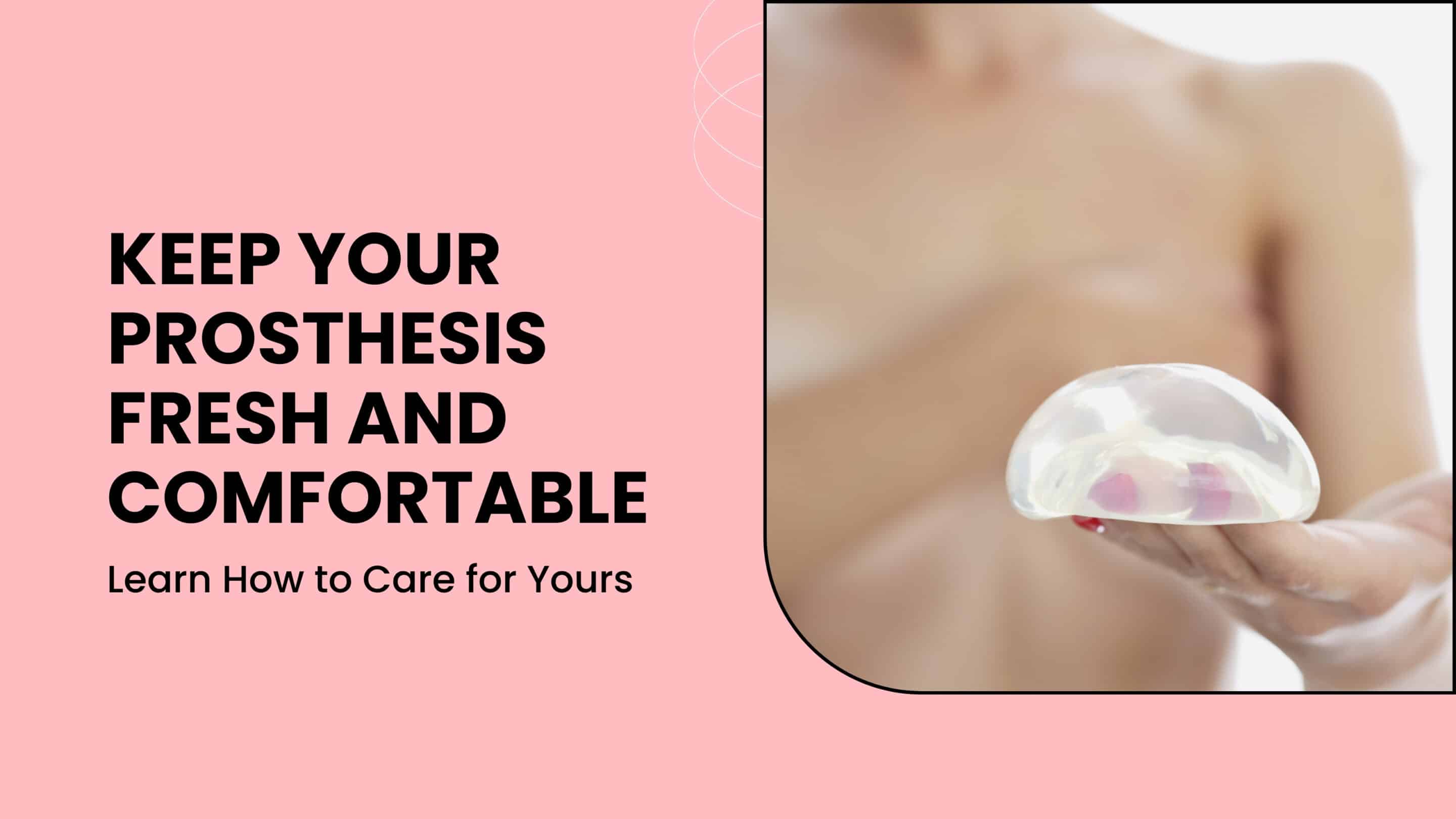
Breast prostheses are more than medical devices. They are part of your healing, confidence, and everyday comfort. Knowing how to care for and clean breast prostheses properly ensures they stay in great condition, feel good against your skin, and last longer.
This guide provides practical advice on caring for your breast prosthesis to help you get the most benefit from this important investment.
Types of breast prostheses and their care needs
Breast prostheses come in several different types, each with unique materials and care requirements:
Silicone prostheses are the most common and realistic-feeling option. They require gentle cleaning with mild soap and lukewarm water, never hot water which can damage the silicone. These prostheses should be patted dry, never wrung out or twisted. Silicone is sensitive to oils, so avoid contact with lotions, perfumes, and oil-based products that can cause deterioration or discoloration.
Foam prostheses are lightweight alternatives that should never be submerged in water. Instead, spot cleaning with a damp cloth and mild soap is recommended. These prostheses dry quickly but should be completely air-dried before wearing again. Foam prostheses generally have a shorter lifespan than silicone but are more comfortable in hot weather.
Fiberfill or polyester fiber prostheses are also lightweight options that require minimal cleaning. They can typically be hand-washed with mild soap but should never be machine washed or dried. These prostheses lose shape more easily, so proper storage in their original container is crucial to maintain their form.
Weighted prostheses (often silicone with additional weighting) need special attention to ensure the weighting materials remain properly distributed. Handle these with extra care during cleaning, and never hang them to dry as this can cause the weights to shift.
Attachable or adhesive prostheses have special backing that requires gentle cleaning with adhesive removers specifically designed for medical use. The adhesive area needs different care than the main prosthesis body, making cleaning a two-step process with different products.
Swimming or leisure prostheses are specially designed to resist water damage but need immediate rinsing after exposure to chlorine or salt water. These typically require more frequent application of manufacturer-recommended conditioners to maintain their integrity.
Each type has a different expected lifespan, with silicone lasting 2-3 years with proper care, while foam and fiberfill might need replacement every 1-2 years depending on frequency of use and care routine.
Step-by-step cleaning instructions
Daily cleaning routine
Daily care starts with preparing your cleaning area by laying a soft towel on a flat surface to prevent accidental drops that could damage your prosthesis.
Carefully remove your prosthesis from your body or mastectomy bra, handling it gently to avoid stretching or tearing.
Clean with lukewarm water and mild, unscented soap. Gently wipe the prosthesis with your hands or a soft cloth, paying special attention to areas that contact your skin directly.
Rinse thoroughly to ensure all soap residue is removed. Residual soap can cause skin irritation and potentially damage the prosthesis material over time.
Pat dry using a soft, lint-free cloth. Avoid rubbing vigorously as this can damage the surface of the prosthesis.
Allow the prosthesis to air dry completely on a clean towel in a well-ventilated area. Keep it away from direct heat or sunlight which can warp or discolor the material.
Weekly Cleaning Routine
Once a week, give your prosthesis a closer inspection.Fill a basin with lukewarm water and add a specialized prosthesis cleanser or mild, unscented soap.
Allow the prosthesis to soak for 3-5 minutes according to the manufacturer’s guidelines.
Clean all surfaces using soft, circular motions. Avoid scrubbing or using abrasive materials that could damage the delicate surface.
Rinse with clean water until all soap residue is removed.
Dry the prosthesis completely before wearing or storing. Pat it dry and allow it to air dry fully to prevent moisture-related issues.
Adhesive prosthesis care
If you use an adhesive breast form, clean both your skin and the adhesive daily to maintain a secure, skin-friendly bond.
Clean the adhesive surface using only manufacturer-recommended adhesive remover.
Remove all adhesive residue completely to ensure proper reapplication.
Apply fresh adhesive following the manufacturer’s precise instructions. Proper application ensures secure attachment and maximum comfort.
Keep your chest area clean and dry before reapplying the prosthesis. Oils, lotions, and moisture can interfere with adhesion and potentially cause skin irritation.
Tips for maintaining prosthesis longevity
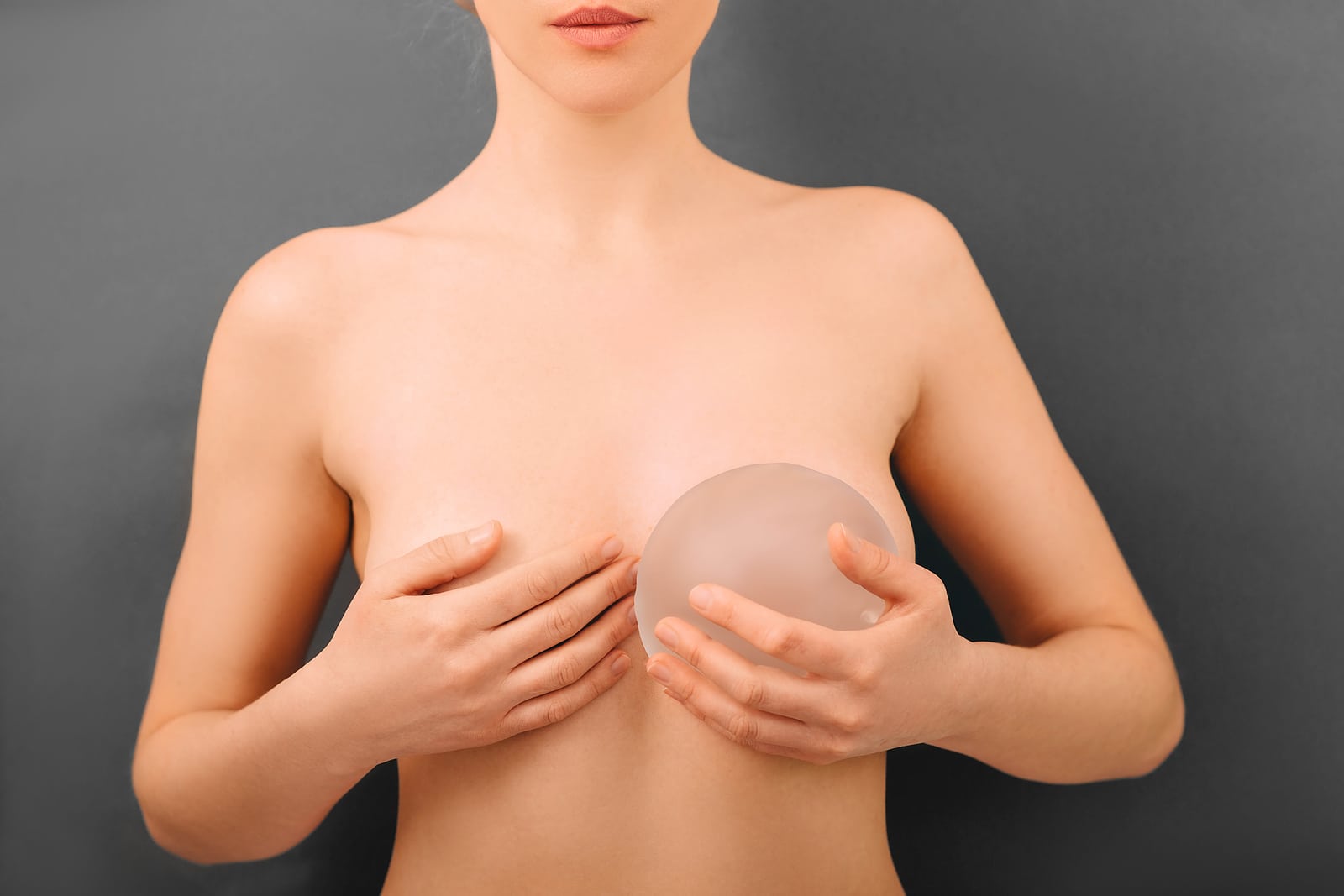
Store your prosthesis in its original box or a dedicated container when not in use. Proper storage helps maintain its shape and protects it from environmental damage.
Protect your prosthesis from extreme temperatures at all times. Direct sunlight, radiators, or very cold environments can permanently damage silicone and other materials.
Always wash your hands before handling your prosthesis. Natural oils and lotions on your hands can transfer to the prosthesis and cause deterioration over time.
Consider rotating between two prostheses if possible. Alternating between two forms can extend the life of both by giving each time to fully recover its shape.
Schedule annual visits with your breast prosthesis fitter. Professional assessment helps ensure proper fit and identifies potential issues before they worsen.
Keep your prosthesis away from pets and children. Curious pets may see the prosthesis as a toy, potentially causing damage with claws or teeth.
Wear appropriate mastectomy bras designed to hold prostheses securely. The right bra prevents unnecessary movement and stress on the prosthesis material.
Common mistakes to avoid
Never use household cleaners, rubbing alcohol, bleach, or scented soaps on your prosthesis. These can irritate your skin and damage the material. Always stick with mild, non-oily, fragrance-free soaps or products made specifically for prosthesis care.
Avoid twisting, wringing, or squeezing your prosthesis after washing. It may seem harmless, but this can break the inner silicone or reduce its shape-retention over time. Let it dry naturally, no hairdryers, towel-rubbing, or placing it near heaters.
Also, don’t assume all prostheses are safe for swimming or showering. If you’re unsure, check the label or consult your healthcare provider. Using the wrong prosthesis in water can shorten its lifespan or compromise your skin health.
Frequently asked questions about prosthesis care
How often should I clean my breast prosthesis?
Daily cleaning is recommended for optimal hygiene, with a more thorough deep cleaning once a week to remove accumulated oils and residue.
Can I use baby wipes to clean my prosthesis?
Most unscented baby wipes are safe for quick cleaning between proper washes. Always check manufacturer guidelines first to ensure compatibility.
How long should a silicone breast prosthesis last?
With proper care and maintenance, a quality silicone prosthesis typically lasts 2-3 years before needing replacement.
Can I swim with my regular prosthesis?
Some prostheses can be used for occasional swimming, but dedicated swim forms are recommended for frequent swimmers. Always rinse immediately after swimming regardless of the type.
How can I tell if my prosthesis needs replacement?
Watch for signs like discoloration, stickiness, changes in shape, or visible damage. Any of these indicates it’s time for a replacement.
Should I wear my prosthesis while sleeping?
Wearing your prosthesis during sleep is generally not recommended. Removal gives your skin time to breathe and extends the life of your prosthesis.
Conclusion
Proper care extends your breast prosthesis lifespan while ensuring comfort and hygiene. Regular cleaning protects your investment and maintains your confidence.
We strongly encourage you to consult us at 954-978-8287 or email fittings@afittingexperience.com to schedule an appointment or learn more about our services.
With proper care, your prosthesis will continue providing the support and comfort you deserve for years to come.