
 Since 1997

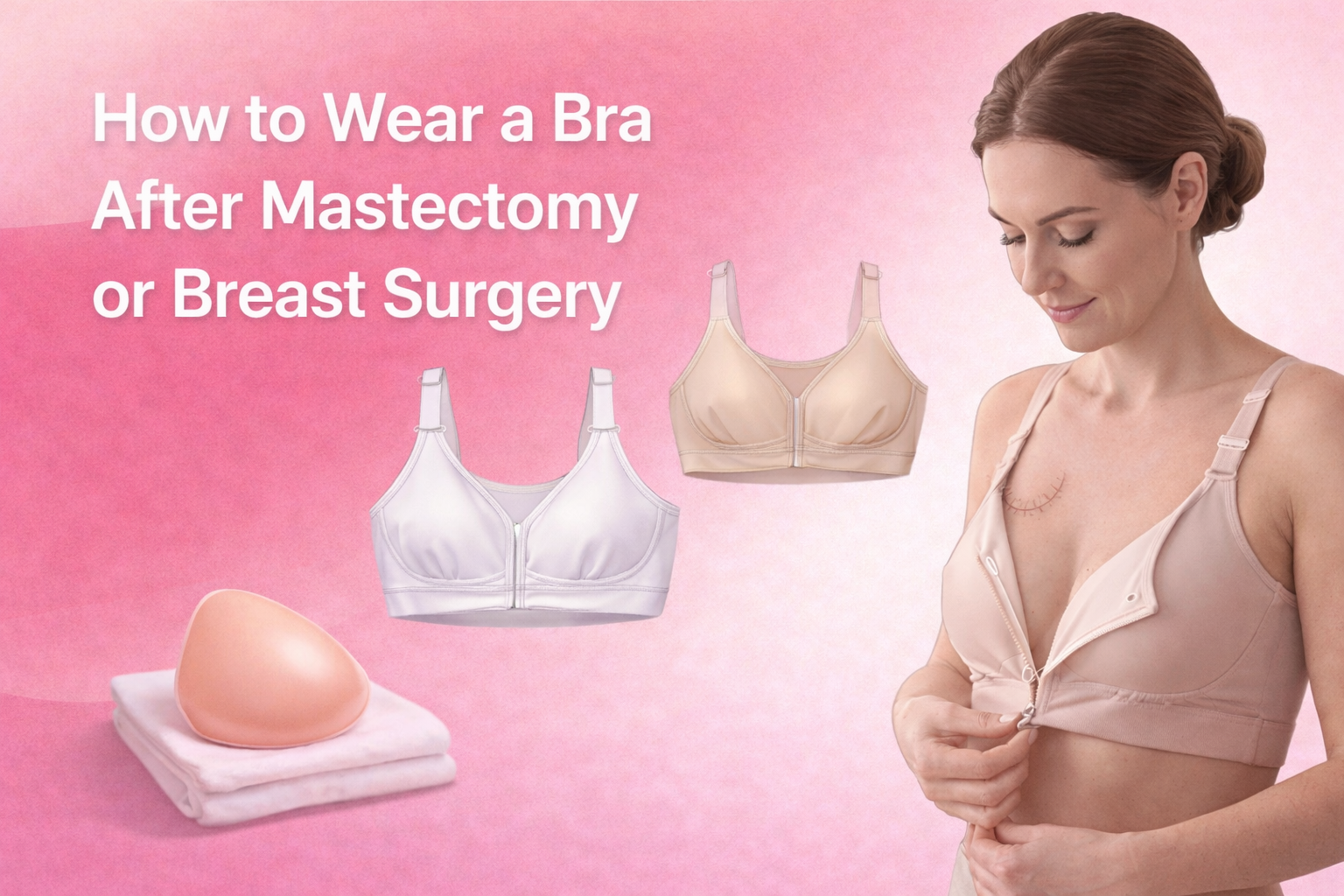
One of the questions we get most at A Fitting Experience is how to wear a bra after mastectomy surgery safely and comfortably. You’re not alone if you’ve got questions about when it’s okay to start wearing a bra again, what kind to choose, and how tight it needs to be.
We’ve been helping thousands of women through this stage since 1997. We’ve got a team of certified fitters who know that wearing a bra after breast surgery takes more than just finding one that fits. You’ve got to find one that feels secure and supportive.
Understanding Your Recovery Timeline
Most surgeons tell you to wait before wearing a bra, but the exact timeline depends on what type of procedure you had. If you’ve got swelling, drainage, or discomfort when trying a soft cami, give yourself more time.
During the first weeks, focus on gentle compression garments or camisoles designed specifically for drain management. The American Cancer Society has some really helpful recovery guidelines that you can talk about with your medical team.
Choosing Your First Post-Surgery Bra
Your first bra after surgery looks different from what you wore before. Post-mastectomy bra tips always start with the same advice: prioritize softness over structure. Look for front closures, wide cushioned straps, and fabric that won’t irritate healing skin.
We recommend starting with a post-surgical cami or wireless bra. Breathable cotton or bamboo is best. Avoid underwires completely until your surgeon gives you clearance, and check that any interior stitching sits flat against the fabric.
Step-by-Step Guide to Putting on Your Bra
How to wear a post-surgery bra correctly makes a huge difference in how comfortable you’ll feel. We walk every client through this process during fittings at our Margate boutique.
Before you put the bra on, loosen the closures all the way. Then, slide your arms through the straps first before you bring the band around your torso. That way, you don’t have to reach behind your back or twist your upper body.
Fasten the front closure at the loosest setting first. Adjust the straps so they’re snug but don’t dig into your shoulders. The band should sit parallel to the floor all the way around.
Finding the Right Fit at Each Stage
Your size changes as you heal; swelling goes down, drains come out, and tissue settles, so plan on several fittings with A Fitting Experience during your first few months.
Front-closure bras are your best friend during early recovery because you don’t have to clasp anything behind your back, which is tough on your chest muscles. A lot of our clients keep wearing front-closure styles long after they’ve healed.
Adding a Breast Prosthesis
Once you’ve got clearance from your surgeon for a prosthesis, you’ll need a pocketed bra to hold it securely. Use a mastectomy bra guide to choose the right one.
Pocketed bras have interior fabric pockets on one or both sides that hold your prosthesis. Stick the form into the pocket before you put the bra on and make sure it holds the prosthesis snug against your chest wall, no gaps.
Adjusting for Comfort Throughout the Day
Even the best-fitting bra needs minor adjustments along the way. Be on the lookout for any visible gaps, bulges, or asymmetry, and make sure the straps don’t leave red marks on your shoulders.
The center front of your bra should lie flat so that it is comfortable on your sternum. If it isn’t sitting right (such as pulling away), then it means that the band is too big or your cups are too small.
Common Mistakes to Avoid
Wearing your pre-surgery bra size is the most common fitting mistake. Your chest wall might have changed, your breast tissue has definitely changed, and your comfort needs are completely different now.
Don’t make the mistake of trying to figure things out on your own. Insurance covers fitting appointments at accredited facilities like A Fitting Experience, so you’ve got nothing to lose, plus, research from Breastcancer.org shows that proper fitting garments help you feel more comfortable physically and emotionally while you recover.
When to Replace Your Post-Surgery Bras
If your band’s stretched beyond the tightest hook setting, your straps won’t stay adjusted, or the fabric’s lost its shape, it’s time for a new bra. Breast prostheses also have a lifespan, even when you take good care of them.
Insurance usually covers replacement prostheses and bras on a regular schedule. We help you keep track of these timelines and submit claims.
Schedule Your Personalized Fitting
Don’t do this alone. Let our certified fitters at A Fitting Experience help you through it.
We’ll guide you through every step, including handling insurance paperwork. Schedule a fitting with appointments available in-person at our Margate boutique or virtually from anywhere.
FAQ
When can I wear a bra after a mastectomy?
Most surgeons recommend waiting before wearing any bra after surgery. Your specific timeline depends on your procedure type and healing progress. Follow your surgeon’s guidance to a tee and start with soft, wireless post-surgical bras.
What type of bra is best after surgery?
Front-closure bras with wide cushioned straps and soft, breathable fabrics work best right after surgery. Stay away from underwires, raised seams, or tight elastic. All that could irritate healing tissue.
Should a post-surgery bra feel tight?
No, your bra should never feel tight, just snug. The band’s got to sit comfortably around your ribcage without digging in. Start with the loosest hook setting and adjust as swelling goes down.
Can I sleep in my post-surgery bra?
A lot of women are more comfortable sleeping in a soft post-surgical bra during the first few weeks after surgery. Again, go wireless and opt for breathable fabric that won’t bunch up or twist during the night.